All Categories
Featured
Future Neurology Wellness Trends to Watch
Nerves are the info superhighway of the human body directing voluntary and uncontrolled movement and instantly interacting sensory information like temperature level, pressure, and discomfort. Since of their important function, nerve damage from injury or illness can significantly disrupt quality of life and the ability to perform everyday jobs. Understanding what causes nerve damage, how it's diagnosed, and your options for nerve injury treatment is the initial step towards bring back function and improving quality of lifelet's walk through what you can expect, step by action.
Targeted Nerve Blocks: A Game-Changer for Persistent Headaches in NY"Major nerve injury is often the outcome of an abrupt accident," says Dr. Mark Yazid, a double-board certified cosmetic surgeon with a special concentrate on the upper extremity, "but it can likewise establish from poorly dealt with persistent diseases, like type 2 diabetes, occupational hazards such as exposure to toxic substances, repeated movements from hobbies and sports, and a host of other lifestyle elements." In other words, while not every injury is preventable, small, consistent habits can make a huge difference in securing long-term nerve health.
Nerves play a particular function, so when they're harmed, there are some dead giveaways. In the upper extremities, these may consist of: Reduced muscle tone Loss of function Tingling and numbness (likewise called 'paresthesia') Wrist drop, or the inability to extend the wrist and hand Seeing a professional is necessary to properly recognize the source of the issue and prevent additional damage.
Yazid, "even if symptoms don't disrupt your life, it is essential to look for treatment before they do." Detecting nerve damage usually involves a detailed physical examination, imaging, and specialized screening such as nerve conduction studies (NCS) or electromyography(EMG) to assess a nerve's capability to send info. Your physician will evaluate different aspects, including the severity of your nerve injury, the effect of your signs on everyday life, and the place and function of the affected nerve, to determine the most appropriate treatment plan.
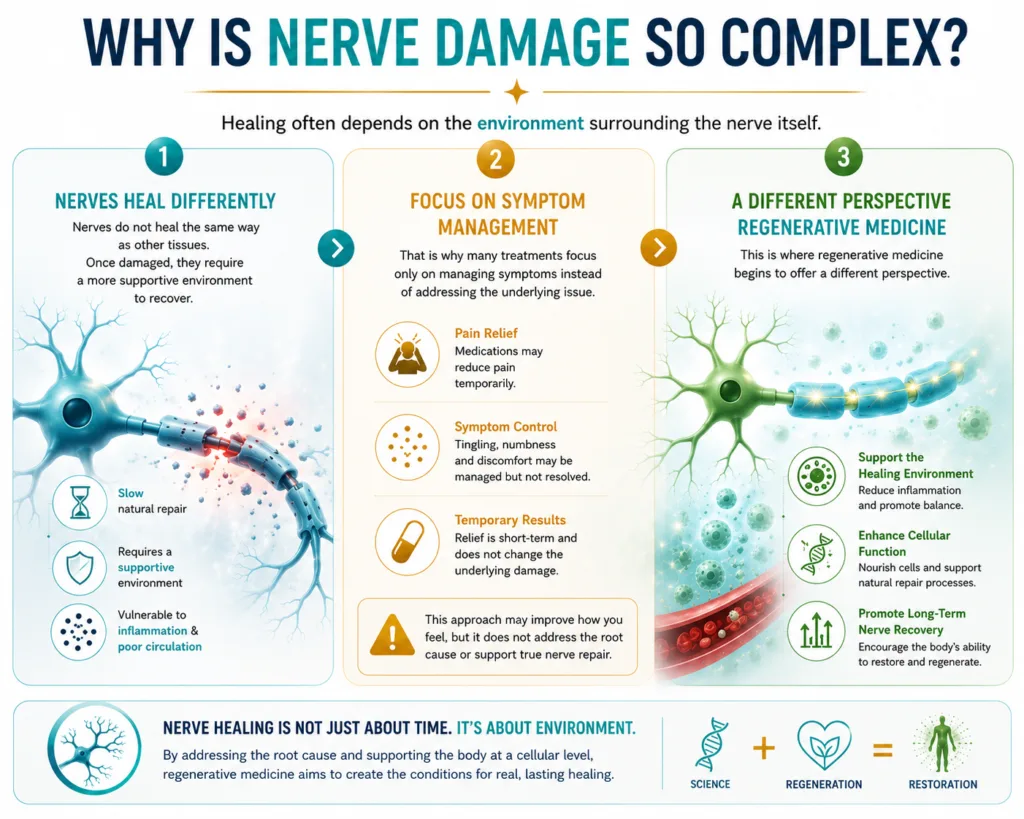
Nevertheless, consistent or more extreme injuries impacting function might need a more proactive surgical approach. Non-surgical alternatives like medication and/or physical and occupational treatment are usually the first-line treatments for moderate nerve injuries. Many medications treat broken nerves by reducing pain and swelling around the injury, while physical treatment helps rebuild the series of movement and strengthen muscles, tendons, and other soft tissues near the nerve.
Advances in Clinical Neurology News
Acupuncture or electrical stimulation (TENS) might likewise be advised to help relieve signs. For patients experiencing profound restrictions from significant nerve injury, surgery can be the most direct way to deal with signs and repair nerve damage at the source. At the Center for Hand and Upper Extremity Surgery (COLORS), some of the most typical surgical techniques for reconstructing or repairing broken nerves include: relieves joint pain by eliminating or destroying pain-causing nerves without affecting the function of the affected area.
Nerve compression is the primary method for treating carpal tunnel syndrome, one of the most typical nerve injuries. is when cosmetic surgeons utilize human nerve tissue (from the client or a donor) to fix harmed or severed nerves. bypass broken nerves by rerouting a nearby healthy nerve, preserving muscle function, and restoring movement to the affected area. Modification surgical treatment intends to improve upon or fix the initial treatment's results. is an advanced treatment for cases of considerable injury, including amputation. TMR maintains muscle function and fixes discomfort and/or modified experience triggered by missing out on or damaged nerves. Lots of procedures at HUES are carried out in an outpatient setting without basic anesthesia, allowing clients to start rehab almost right away.
Physical and occupational therapy may also be part of your recovery process. The most essential action you can take to support your rehab is to attend all follow-up visits with your cosmetic surgeon, communicate your issues during the healing procedure, and adhere diligently to your recovery strategy.
Our team specializes in advanced diagnostics and surgical treatments that assist clients get back to doing what they love. Whether you're dealing with tingling, tingling, weakness, or chronic discomfort, early intervention can make all the distinction.
When these nerves become hurt, it's vital to recognize the symptoms early so you can get prompt treatment."Time is of the essence, especially with injuries to the motor nerves," says Robert Teixiera, MD, a hand and plastic surgeon at University of Utah Health. "After a nerve injury, a person has about 12 to 18 months to restore the nerve connection before the muscle ends up being nonfunctional or non-recoverable.

Latest Posts

Practical Neurological Health Tips for 2026

How Diagnostic Neurology Enhances Healing Outcomes

The Future of Brain Wellness Trends