All Categories
Featured
This image is available to view online. View image online ().
The International Association for the Study of Pain (IASP) defines pain as an "undesirable sensory and psychological experience associated with, or looking like that associated with, actual or prospective tissue damage. Nociceptive discomfort results from the activation of nociceptive receptors and ion channels in the peripheral nerves and is believed to be the effect of traumatic insults to the peripheral tissue.
Nociplastic discomfort can likewise occur in the context of nociceptive and/or neuropathic pain, as is seen in many widespread pain syndromes. The International Classification of Diseases 11th version includes a systematic classification of chronic pain into 7 categories: chronic primary discomfort, chronic cancer-related discomfort, chronic postsurgical or posttraumatic pain, persistent neuropathic pain, persistent secondary or orofacial pain, chronic secondary visceral discomfort, and chronic secondary musculoskeletal discomfort.10 Chronic primary pain is pain as an illness or health condition by itself, and nociplastic discomfort might underlie a few of the comparable pathophysiology.
Ways to Accelerating Healing from Nerve Damage
Chronic cancer-related pain is due to discomfort from the cancer itself or treatment for cancer. This pain can include neuropathic and nociceptive parts. Chronic postsurgical pain or posttraumatic discomfort frequently consists of neuropathic elements. Chronic neuropathic pain can be subdivided into peripheral or main neuropathic pain. Chronic secondary or orofacial pain is due to an underlying disease, such as injury or injury, dental illness, or temporomandibular disorders.
The Science behind Chronic Pain Relief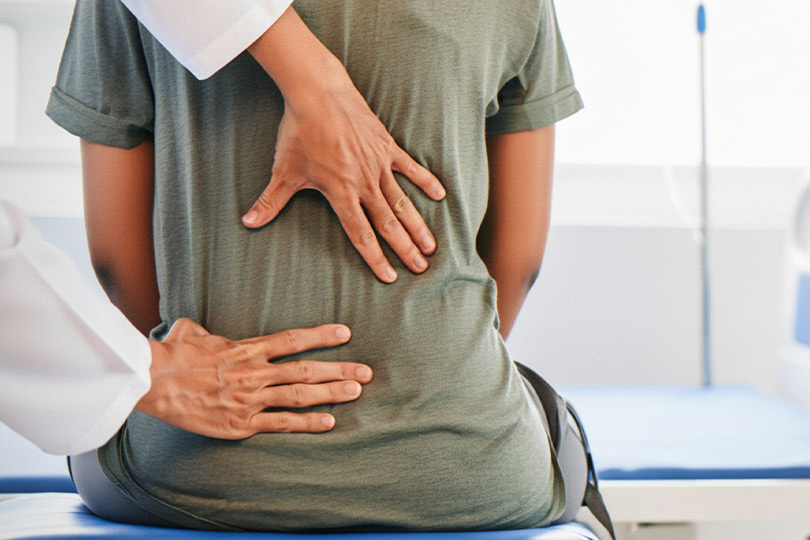
Chronic secondary musculoskeletal pain develops from the bones, joints, muscles, or soft tissues, and is often nociceptive in nature. Three classifications of pain pathophysiology Categories Examples Place Extra signs Nociceptive osteoarthritis, gout typically localized not common Neuropathic pain diabetic peripheral neuropathy, posttherapeutic neuralgia neuroanatomic distribution paresthesias, pins and needles Nociplastic fibromyalgia non-neuroanatomic circulation tiredness, state of mind symptoms, cognitive signs, sleep disturbance No matter the classifications of pain, the existing scientific paradigm has actually been to take a multimodal treatment method for the management of chronic pain.
6 research studies with 1,354 individuals compared NSAIDs to placebo with a typical follow-up of 56 days (IQR 13 to 91 days). 10.74 to 3.19), preferring NSAIDs.

Latest Posts
Practical Neurological Health Tips for 2026
How Diagnostic Neurology Enhances Healing Outcomes
The Future of Brain Wellness Trends